


Roast Levels For The Best Coffee
Share
Roast Levels, Roast Language, and the Problem We Might Have Created
When I came up in coffee, roast levels were described with a vocabulary that while far from perfect at least tried to be precise. City, Full City, Vienna. These weren’t marketing terms; they were working terms. They told other roasters roughly where the coffee landed in its development and what kind of flavor profile you could expect. They created a shared reference point, even if that reference point lived mostly behind the roaster.
As “Specialty” coffee moved into cafés, grocery aisles, and online carts, that language slowly collapsed. In its place we adopted something simpler, friendlier, and ultimately less useful: light, medium, dark. The intention was good, make coffee more accessible but the outcome has been some confusion. Since there really aren’t any “roast level police,” a “light roast” from one roaster can taste wildly different from a “light roast” from another. The words stayed the same; the meaning did not. I’ve had coffee described as “medium” that was so dark and left me wondering what a “dark” roast would taste like…well, no I really honestly didn’t want to taste that.
Today, roast level has become less of a definition and more of a suggestion. It often reflects a brand’s philosophy more than a measurable reality. And that’s where things get tricky for the customer. Without a shared structure, buyers can’t reliably build preferences. They don’t know if they dislike “light roasts,” or if they just dislike a particular roaster’s interpretation of light.
At the same time, something important has been happening, something we don’t talk about enough. Roasters aren’t just choosing roast levels anymore; they’re choosing roast styles. Much like chefs, we’re increasingly cooking within a point of view.
At Big Shoulders Coffee, our point of view lives squarely in the middle.
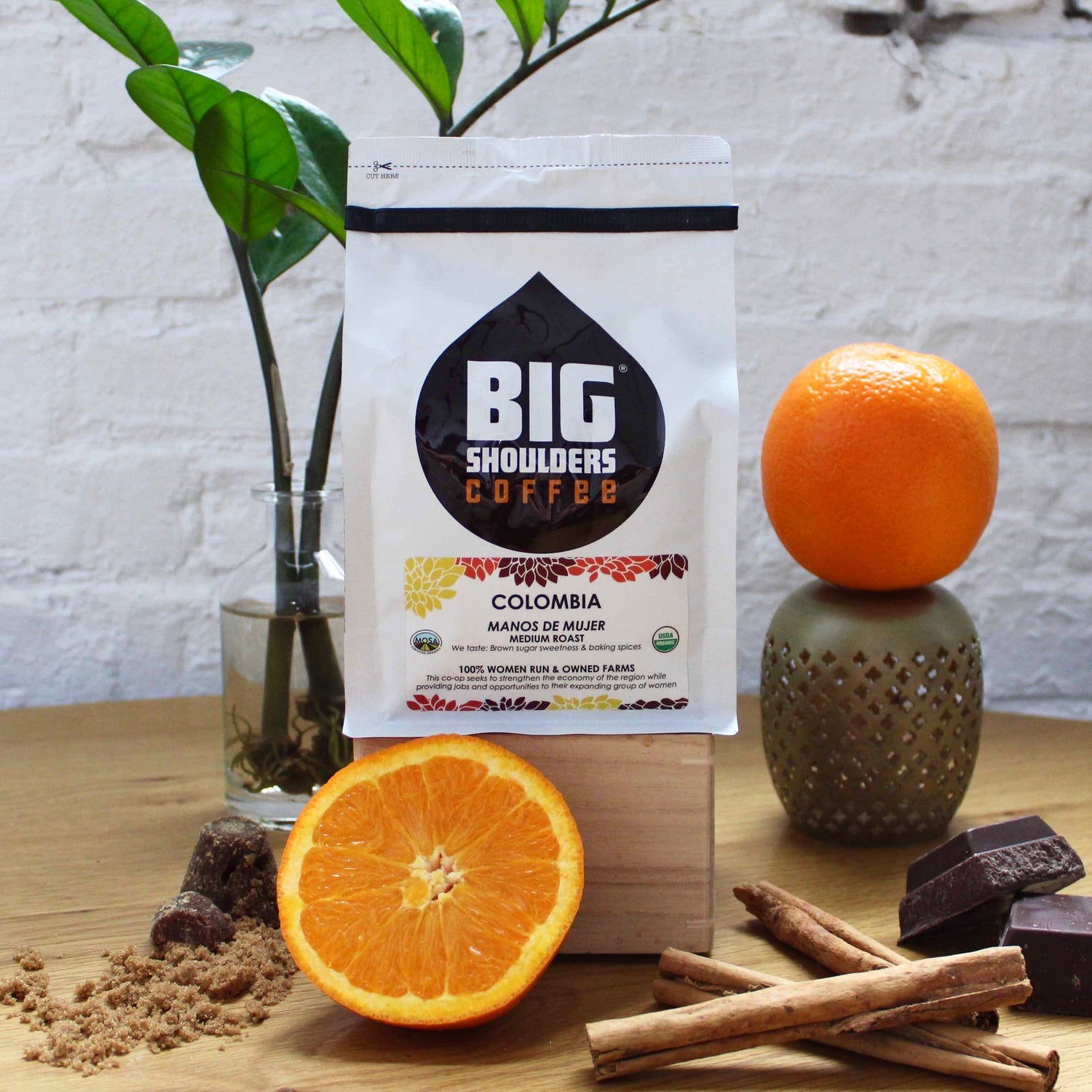
This Colombia is a delicious example of our work
We specialize in what most people would call medium roast, though that term barely does the job. We’re not chasing extreme brightness, nor are we leaning into heavy roast character. We’re looking for a sweet spot, literally where coffee is developed enough to be sweet and soluble, with nutty, caramelized aromatics, but still offers a lively and expressive cup.
It means our coffees work beautifully for people who drink them black and for people who add milk, cream, or a touch of sugar. It means balance comes first. It also means we’re honest about what we’re not trying to be. We’re not a Nordic roaster pushing ultra-light development, and we’re not a dark roaster prioritizing smoke and roast intensity. Neither approach is “wrong” but they are different languages.
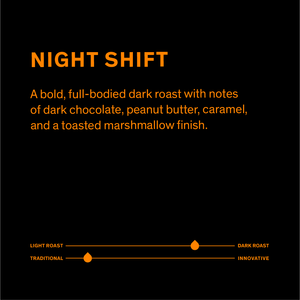
Which brings us back to the real issue. If roast levels are no longer universal measurements, and if roasters are increasingly stylistic by design, then light, medium, and dark aren’t enough. What we need is a clearer, more honest way to talk about roast style one that helps customers understand what they’re buying, why it tastes the way it does, and whether it aligns with how they actually drink coffee.